An orthopaedic (in the US, orthopedic) sales rep is the company’s expert on its implants and instruments. They make sure the right set is in the hospital, stand in theatre during the operation to answer questions about the kit, and look after the surgeons, nurses and buyers who use it. Most people get in through an associate or junior rep role, and the ones who do well arrive already knowing the products, the operating room and the rules.
What the job actually is
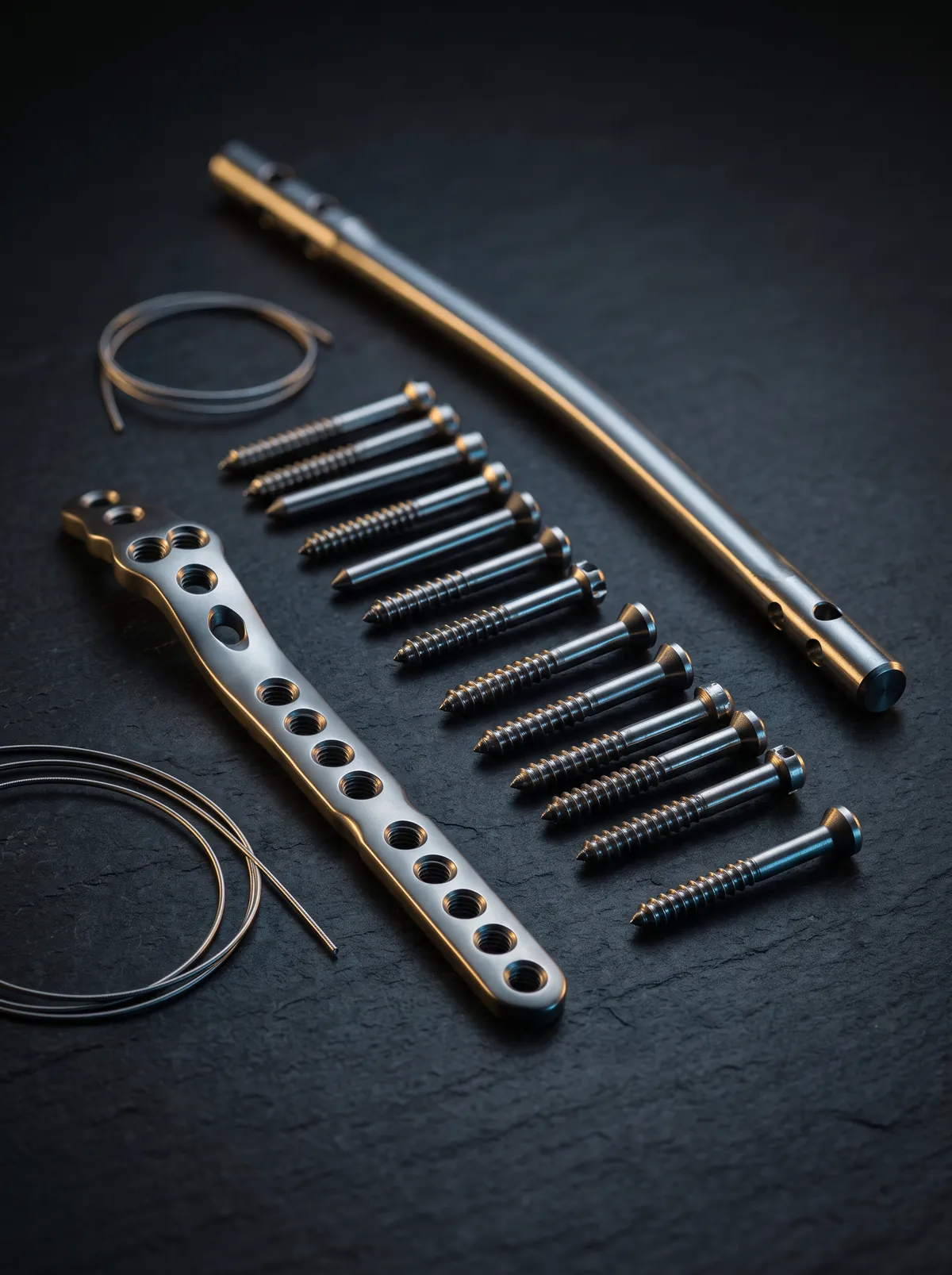
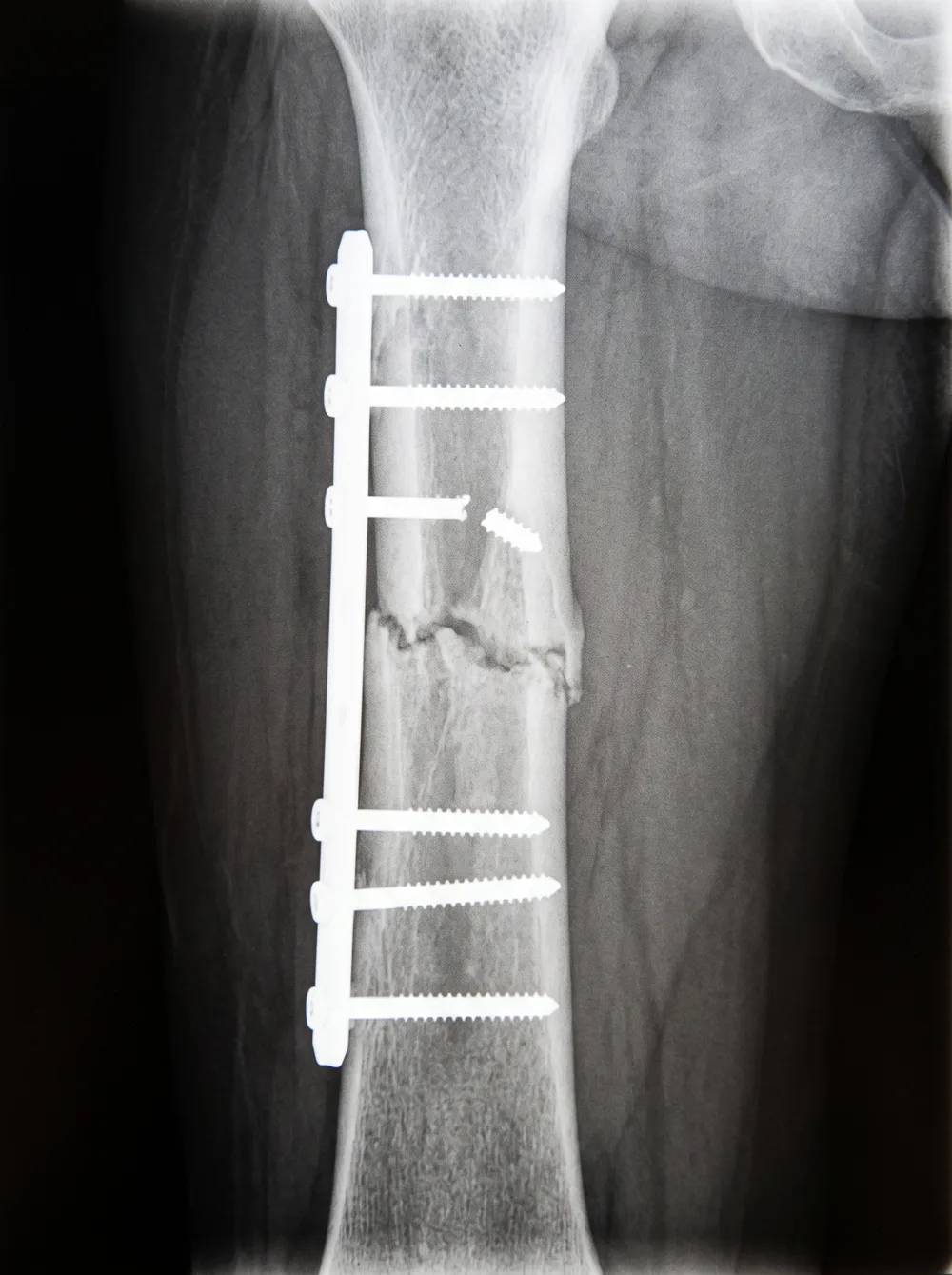
Orthopaedic companies sell three broad kinds of product, and reps usually specialise in one: trauma (plates, screws, nails and frames that hold broken bones), joint replacement (hips, knees, shoulders) and spine. Trauma reps are often on call, because fractures don’t wait for office hours; joint replacement work is mostly planned lists.
A normal week mixes four things:
- Cases. Being in theatre for operations that use your products, ready to say which instrument comes next, which size fits, or how a locking screw goes in.
- Logistics. Making sure the right sets reach the right hospital on time, are complete, and are replenished afterwards. A missing size can stop an operation.
- Relationships. Surgeons, theatre nurses, the sterile services department, buyers and the hospital’s value analysis committee all decide, in different ways, whether your product is used.
- Paperwork and compliance. Hospital credentials, case records, usage and billing, and following the industry code on meals, gifts and consulting.

What a rep does, and doesn’t do, in surgery
In theatre the rep is a technical adviser. They know the surgical technique for each product step by step, so they can tell the scrub nurse which instrument is next, check a size on the X-ray screen with the surgeon, and spot when a set is missing something before it matters.
What they don’t do is just as important: a rep doesn’t scrub in, doesn’t touch the patient or anything sterile, and doesn’t make clinical decisions. They stand where the hospital’s policy says, follow the theatre team’s rules, and only attend when they are credentialed and invited. Getting this right is a large part of earning a surgeon’s trust. Unit 3 covers theatre roles and the sterile field →
The usual ways in
There is no single route, but most new reps come from one of these:
- Associate or junior rep roles. Many companies and distributors hire associates who carry sets, cover simpler cases and learn under a senior rep before taking a territory.
- Science and health degrees. Biomedical engineering, sports science, nursing, physiotherapy and biology graduates already know anatomy and hospital language.
- Other sales. People with a record in business-to-business sales, especially in healthcare, are often hired and taught the products.
- From inside the hospital. Theatre nurses, technicians and sterile services staff know the operating room better than anyone.
- From inside the company. Customer service, inventory and engineering roles at a manufacturer or distributor are a common side door.
Distributors (independent agencies selling one or more manufacturers’ products) and the manufacturers themselves both hire reps. Distributor roles can be a faster way in; manufacturer roles usually come with more formal training.
What to learn before the interview
Hiring managers rarely expect product expertise from a newcomer. What makes a candidate stand out is showing they’ve already started:
- Basic anatomy and fractures: the long bones, the main fracture patterns, and words like comminuted, displaced and intra-articular.
- The implant families: cortical, cancellous, locking and cannulated screws; compression and locking plates; intramedullary nails; wires and external fixators. Unit 2 →
- How kit reaches theatre: loaner sets, consignment stock, count-backs and why traceability matters. Unit 13 →
- The rules: the industry codes that apply in your country (AdvaMed in the US, MedTech Europe in Europe, the Medical Technology Association of Australia’s code in Australia) on meals, gifts and paying surgeons as consultants. Unit 15 →
- How hospitals buy: tenders, value analysis committees and the evidence they ask for.
Being able to name a plate from a picture and explain why a surgeon might choose a nail instead is the kind of thing that turns an interview into a conversation.
The first months
New reps usually spend the first weeks on product training and hospital credentialing (each hospital, or the vendor credentialing system it uses, has its own requirements: identification, immunisations, background checks and its own policy training). Then they shadow a mentor in cases, learn to lay out and count a set, and support a first case with the mentor present. A good company signs this off at around 30 to 90 days. If you’re a manager, our free 30-day onboarding checklist lays it out week by week.
Is it a good job?
It suits people who like being useful under pressure, enjoy technical detail and don’t mind early starts and late calls. Pay is commonly a base salary plus commission, and varies widely by country, company, specialty and territory, so ask about the split and the territory’s history at interview. The hard parts are the hours, the on-call load in trauma, and a lot of driving. The good part is being the person in the room who knows the kit.